Sweet Garden: A Whimsical Font for Creative Workflows
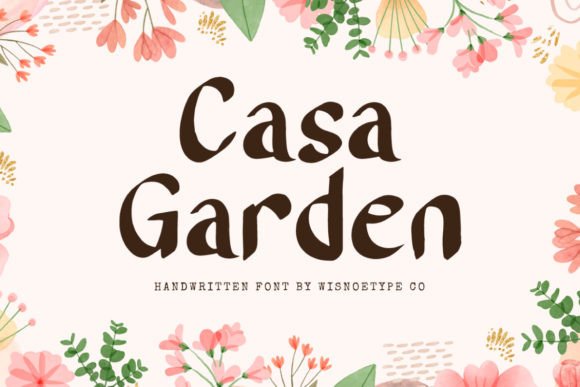
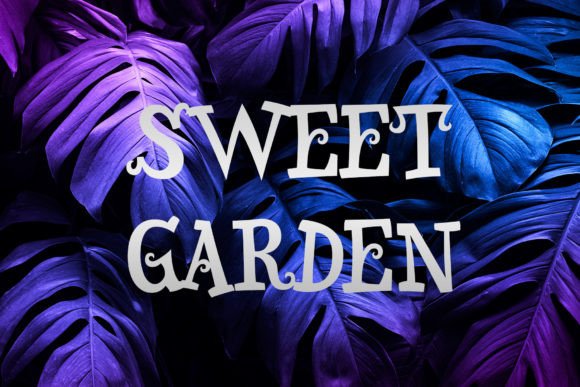
Sweet Garden is a display font that blends whimsy with a subtle sense of mystery. Its playful curves and unique character set make it ideal for projects that require a touch of personality without sacrificing readability. Whether you're designing a logo, crafting a brand identity, or adding visual flair to a presentation, Sweet Garden can elevate your work with its distinct aesthetic.
Fonts play a crucial role in visual communication, and choosing the right one can significantly impact how your message is received. Sweet Garden stands out because it balances fun with professionalism, making it suitable for both casual and formal contexts. Its versatility allows it to fit into a wide range of creative workflows, from initial concept sketches to final design deliverables.
Integrating Sweet Garden into Your Workflow
Understanding where and when to use Sweet Garden can help you maximize its potential. The font is particularly effective during the early stages of a project, such as brainstorming or ideation. Its expressive style can inspire creativity and encourage out-of-the-box thinking. For example, when sketching ideas for a marketing campaign, using Sweet Garden in mockups can help visualize the tone and mood of the final product.
During the execution phase, Sweet Garden can be used to add a signature touch to designs. It works well for headings, titles, and callout text where visual interest is important. However, it's best to avoid using it for large blocks of body text, as its intricate details may reduce readability. Instead, pair it with more conventional fonts for a balanced look.
In the final stages of a project, Sweet Garden can serve as a branding element. It can be incorporated into logos, social media graphics, or promotional materials to create a cohesive visual identity. When used consistently across different platforms, it helps reinforce brand recognition and creates a memorable impression.
Using Sweet Garden in Different Contexts
Sweet Garden is not limited to graphic design projects. It can also enhance digital content creation, such as blog posts, newsletters, or email campaigns. For instance, using the font in section headers or subheadings can draw attention to key points while maintaining a friendly and approachable tone. This makes it especially useful for educators, bloggers, and content creators who want to engage their audience effectively.
For entrepreneurs and small business owners, Sweet Garden can be a valuable tool in branding efforts. It adds a unique personality to business cards, packaging, or website headers, helping differentiate a brand from competitors. When combined with other design elements, it can contribute to a strong and recognizable brand presence.
Freelancers and designers often rely on a variety of tools to streamline their workflow. Sweet Garden can be integrated into design software like Adobe Illustrator, Figma, or Canva. These platforms allow for easy font customization, making it simple to adjust spacing, size, and alignment to suit specific needs. Familiarity with these tools can help users implement Sweet Garden efficiently without disrupting their existing processes.
Best Practices for Working with Sweet Garden
To get the most out of Sweet Garden, consider the following tips. First, ensure that the font is properly licensed for your intended use. Some fonts come with restrictions on commercial applications, so it's important to review the terms before incorporating them into professional projects.
Second, test the font in different sizes and contexts. What looks great at 48 points may not be as effective at 12 points. Experimenting with various settings can help you determine the optimal way to use Sweet Garden in your work.
Third, maintain consistency in your design. If you're using Sweet Garden for headings, make sure to apply it uniformly across all related elements. Inconsistent use can lead to a cluttered or unprofessional appearance.
Finally, consider the overall design palette. Sweet Garden has a distinct visual style, so it's important to choose complementary colors, textures, and layouts that support its character. This ensures that the font enhances the design rather than overpowering it.
Combining Sweet Garden with Other Tools and Methods
Sweet Garden works well alongside other design resources and methodologies. For example, when using a grid-based layout system, the font can be positioned to align with the structure of the design. This helps maintain visual harmony and improves the overall user experience.
When working with a team, it's essential to communicate how Sweet Garden will be used. Sharing guidelines and examples can ensure that everyone involved understands the font's purpose and limitations. This promotes collaboration and reduces the risk of misinterpretation.
For those focused on productivity, Sweet Garden can be part of a broader toolkit that includes time management strategies, task automation, and project planning. While the font itself doesn't directly affect efficiency, its integration into a well-organized workflow can contribute to a more enjoyable and effective creative process.
Long-Term Use and Maintenance
As with any design element, the long-term success of Sweet Garden depends on how it's maintained. Regularly reviewing its application in different projects can help identify areas for improvement. For instance, if a particular use case isn't yielding the desired results, experimenting with alternative approaches may be necessary.
Staying updated with design trends can also influence how Sweet Garden is used over time. While the font has a timeless quality, adapting it to current styles can keep your work fresh and relevant. This might involve adjusting color schemes, typography hierarchy, or layout structures to align with evolving standards.
Ultimately, the goal is to use Sweet Garden in a way that supports your creative vision and meets the needs of your audience. By understanding its strengths and limitations, you can incorporate it into your workflow with confidence and clarity.