Rubby: A Unique Display Font
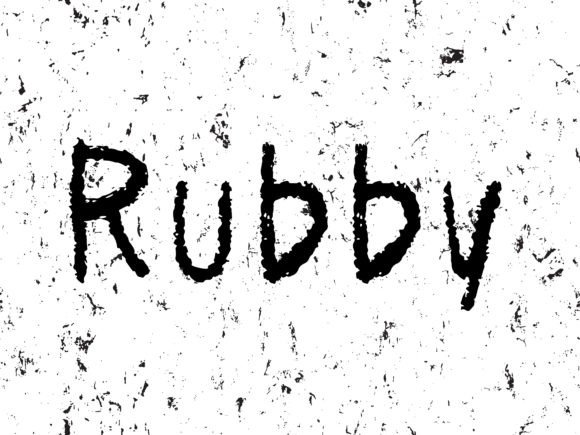
Rubby is a display font that has a distinctive look, as if it's been rubbed off or worn away. This unique style gives it an authentic, handcrafted feel that stands out in any design. Whether you're creating a greeting card, a poster, or adding text to a product like a mug or shirt, Rubby can add character and personality to your work.
What Makes Rubby Stand Out?
Rubby's design is inspired by the idea of wear and tear, which makes it perfect for projects that aim to convey a sense of nostalgia or casual charm. Unlike traditional fonts that are clean and precise, Rubby has a rougher, more organic appearance. This makes it ideal for creative projects where a little imperfection adds to the overall aesthetic.
The font's texture can evoke a range of emotions, from playful and whimsical to rugged and vintage. It's not just about looking good—it's about feeling right for the message you want to convey.
When to Use Rubby
Rubby works best in situations where you want to grab attention without being too formal. For example, it's great for social media posts, especially when you're sharing quotes or messages that need a bit of flair. Its casual look also fits well with posters for events, art displays, or even personal blogs that want to stand out from the crowd.
It's also popular for product branding. If you're designing a t-shirt, a mug, or a notebook, Rubby can give your item a unique identity. The font's visual appeal helps make your products more memorable and eye-catching.
Examples of Practical Use Cases
- Greeting Cards: Use Rubby on birthday or thank-you cards to add a personal, handmade touch.
- Posters: Incorporate Rubby into event posters to create a retro or artistic vibe.
- Social Media: Add Rubby to Instagram stories or Twitter posts to make your content more engaging.
- Product Design: Apply Rubby to t-shirts, mugs, or phone cases to make them visually appealing.
Why Choose Rubby?
If you're looking for a font that can add a unique twist to your designs, Rubby is a great choice. It's not just about aesthetics—it's about finding the right tool for the job. Rubby can help you express ideas in a way that feels more natural and relatable.
For small business owners, entrepreneurs, and creatives, Rubby offers a way to differentiate their brand. It can be used to create a signature look that sets their work apart from competitors. Whether you're designing a logo, a website, or promotional materials, Rubby can help you achieve a more authentic and expressive style.
Considerations Before Using Rubby
Before using Rubby, consider the context and audience. While its casual look is appealing, it may not be suitable for all types of projects. For instance, formal documents, professional reports, or high-end branding might require a more polished font.
Also, think about readability. Since Rubby has a textured appearance, it's important to ensure that the text remains legible, especially at smaller sizes. Testing the font in different formats and sizes can help you determine if it's the right fit for your project.
How to Get Started with Rubby
- Find a Reliable Source: Look for reputable websites that offer Rubby for download or licensing.
- Test It Out: Try using Rubby in a few different projects to see how it looks and feels.
- Combine With Other Fonts: Pair Rubby with complementary fonts to balance its boldness and maintain visual harmony.
- Respect Licensing Terms: Make sure you understand the usage rights before incorporating Rubby into commercial or public projects.
Conclusion
Rubby is more than just a font—it's a design element that brings a sense of authenticity and creativity to any project. Its ability to blend style with substance makes it a valuable tool for anyone looking to add a unique touch to their work. Whether you're a beginner or an experienced designer, Rubby can help you express your ideas in a fresh and meaningful way.