Replay: A Retro-Style Serif Font That Brings the Sixties to Modern Design
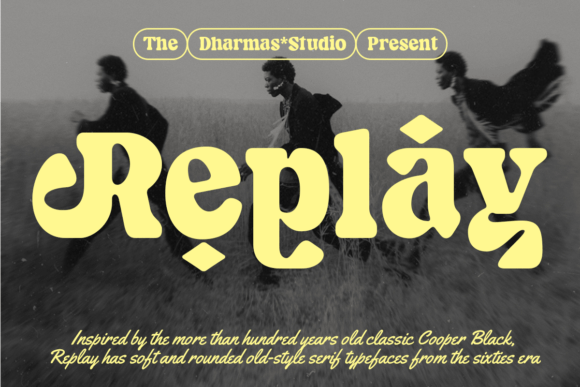
In an era where digital design is constantly evolving, there's a growing appreciation for the past. One font that has captured the attention of designers and creatives alike is Replay. This retro-style serif display font offers a unique blend of nostalgia and modernity, making it a standout choice for those looking to infuse their work with a touch of 1960s charm.
With its elegant curves and distinctive letterforms, Replay is more than just a font—it's a statement. It brings a sense of sophistication and timelessness that can elevate any design project, whether it's a logo, a website, or a marketing campaign. Its PUA encoding ensures that users can access all the glyphs and ligatures with ease, making it a versatile tool for any designer.
The Rise of Retro-Inspired Design
The resurgence of retro aesthetics in design is not a passing trend but a reflection of broader cultural shifts. As consumers seek authenticity and emotional connection, brands are turning to vintage styles to differentiate themselves in a crowded market. Replay fits perfectly into this landscape, offering a visual language that resonates with both older and younger audiences.
This trend is particularly evident in industries such as fashion, music, and technology, where the past is often reimagined through a contemporary lens. For example, many tech startups are incorporating retro elements into their branding to convey a sense of innovation while also tapping into a shared cultural memory. Replay can be a powerful tool in this context, helping to create a visual identity that feels both familiar and fresh.
Why Replay Stands Out
What sets Replay apart from other fonts is its ability to evoke a specific era without feeling outdated. The font's design is rooted in the typography of the 1960s, a period known for its bold experimentation and vibrant energy. By drawing on this heritage, Replay offers a unique aesthetic that can add character and depth to any design.
Moreover, the font's PUA encoding allows for greater flexibility and customization. Designers can access a wide range of glyphs and ligatures, enabling them to create more intricate and visually striking compositions. This level of detail is particularly valuable in projects that require a high degree of typographic refinement, such as editorial design or luxury branding.
Practical Applications of Replay
Replay's versatility makes it suitable for a wide range of applications. In the realm of print design, it can be used to create eye-catching headlines and logos that command attention. For digital projects, the font's readability and style make it ideal for web design, social media graphics, and app interfaces.
Consider a brand that wants to launch a new line of products inspired by the 1960s. Using Replay in their marketing materials could help establish a cohesive visual identity that aligns with their thematic vision. Similarly, a musician looking to create a vintage album cover might find that Replay adds the perfect finishing touch, enhancing the overall aesthetic and storytelling of the project.
Meeting Changing Design Needs
The design industry is continually evolving, and so are the needs and expectations of professionals. As clients become more discerning, there is a greater demand for fonts that offer both functionality and personality. Replay meets this demand by providing a balance between form and function, allowing designers to express creativity without compromising on clarity.
Additionally, the rise of remote work and digital collaboration has shifted the way designers approach their workflows. Tools that offer flexibility and ease of use are becoming increasingly important. Replay's PUA encoding ensures that designers can seamlessly integrate the font into their projects, regardless of the platform or software they're using.
Connecting to Broader Trends
The popularity of Replay is part of a larger movement towards intentional design. As more people become aware of the impact of visual elements on user experience, there is a growing emphasis on thoughtful typography. Fonts like Replay are not just about aesthetics—they're about creating meaningful connections with audiences.
This shift is also influenced by advancements in technology. With the proliferation of design tools and platforms, there is a greater accessibility to high-quality fonts and typefaces. Replay exemplifies how modern technology can be used to preserve and enhance traditional design elements, making them relevant for today's creative professionals.
Conclusion
In a world that is constantly moving forward, Replay serves as a reminder of the enduring power of design. Its retro-inspired style, combined with modern functionality, makes it a valuable asset for anyone looking to create something truly unique. Whether you're a professional designer, a marketer, or a creative enthusiast, Replay offers a way to infuse your work with character and style.
As the design landscape continues to evolve, fonts like Replay will play an essential role in shaping the visual language of the future. By embracing the past, we can create a more meaningful and impactful design experience for today's audiences. So, if you're looking for a font that combines elegance, history, and innovation, consider giving Replay a try—it might just be the perfect addition to your design toolkit.