Relante: A Vintage-Style Display Font That Elevates Creative Ideas
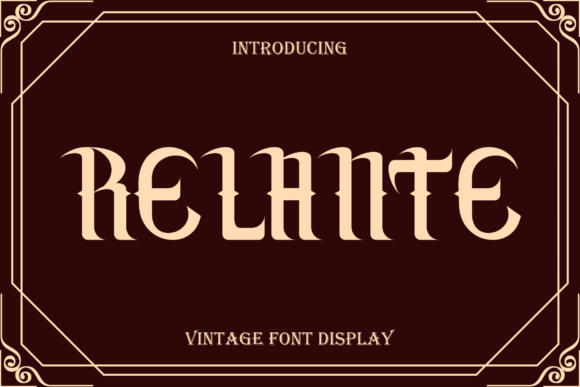
Relante is a display font that captures the essence of vintage design while offering modern versatility. Its unique character set and stylistic elements make it a compelling choice for designers, artists, and creators looking to add a nostalgic yet fresh touch to their work. Whether used in branding, editorial design, or digital projects, Relante brings a sense of authenticity and personality that can elevate creative concepts.
What Makes Relante Distinct?
Relante stands out due to its distinctive typographic features. It combines the elegance of traditional letterforms with subtle imperfections that mimic hand-drawn or aged typography. This blend creates a warm, inviting aesthetic that feels both timeless and contemporary. The font’s serifs, spacing, and stroke variations contribute to a visual rhythm that draws attention without overwhelming the reader.
Unlike many modern sans-serif fonts that prioritize clean lines and minimalism, Relante embraces a more organic feel. Its irregularities and dynamic shapes make it ideal for projects that require a personal or artisanal touch. For example, a designer working on a retro-themed packaging concept might find that Relante adds an extra layer of authenticity that other fonts cannot replicate.
Relante in Comparison to Similar Fonts
When evaluating fonts like Relante, it’s important to consider how they align with specific design goals. While there are several vintage-style display fonts available—such as Playfair Display, Cinzel, or Great Vibes—each has its own strengths and limitations. Relante differentiates itself through its balance of readability and character, making it suitable for both large headlines and smaller text blocks.
For instance, Great Vibes is known for its flowing, cursive style, which works well for wedding invitations or artistic logos. However, its fluidity may not be ideal for longer text or formal documents. In contrast, Relante offers a more structured approach while still maintaining a handwritten quality. This makes it a better option for projects that require clarity alongside visual interest.
Cinzel, another popular choice, leans toward a more classical appearance with strong, bold strokes. It excels in headings and titles but may lack the softness that some designers seek. Relante, on the other hand, strikes a middle ground by providing a refined yet approachable look. This flexibility allows it to fit into a wider range of design contexts.
Strengths and Tradeoffs of Using Relante
One of Relante’s key strengths is its ability to convey a sense of history and craftsmanship. Its design evokes memories of old posters, book covers, and handwritten notes, which can resonate with audiences looking for a connection to the past. This makes it particularly effective in branding for businesses with a heritage or artisanal focus.
However, Relante’s distinctiveness can also be a limitation. Its irregular shapes and varied stroke weights may not work well in all situations. For example, in a minimalist design where simplicity is paramount, Relante could appear too busy or inconsistent. Similarly, if a project requires high legibility across multiple languages or scripts, Relante may not be the best choice due to its specialized character set.
Another consideration is the font’s availability. While many display fonts are widely accessible through type foundries and digital marketplaces, Relante may have more limited distribution depending on the source. Designers should verify that it is available in the formats they need and that it integrates smoothly with their workflow.
Best Fit for Specific Use Cases
Relante is most effective in scenarios where a vintage or handmade aesthetic is desired. This includes branding for boutique shops, independent artists, or events with a nostalgic theme. Its ability to evoke emotion and tell a story makes it a valuable tool for designers who want to create a deeper connection with their audience.
For example, a designer creating a poster for a vintage film festival might use Relante to reinforce the event’s historical theme. The font’s character would complement the imagery and messaging, creating a cohesive visual identity. Similarly, a small business owner launching a line of handmade goods could use Relante in their logo and marketing materials to emphasize craftsmanship and individuality.
In contrast, a corporate website or technical document may benefit from a more neutral, professional font. Here, the goal is to communicate information clearly and efficiently, rather than to evoke a specific mood. In such cases, a sans-serif font like Helvetica or Roboto might be more appropriate.
When to Choose Alternatives to Relante
While Relante offers a unique aesthetic, there are situations where other fonts may be more suitable. If the primary goal is readability, especially for long passages of text, a simpler font is often the better choice. For instance, a blog post or article would typically benefit from a font that prioritizes clarity over style.
Additionally, if a project requires a highly consistent or uniform look, a more standardized font may be preferable. Relante’s variability can introduce inconsistencies in spacing and alignment, which may not be ideal for certain layouts. Designers should test the font in their specific context to ensure it meets their needs.
For those seeking alternatives, fonts like Caslon, Baskerville, or even custom hand-lettering can provide similar vintage-inspired effects. Each of these options has its own characteristics, so the best choice depends on the project’s requirements and the designer’s vision.
Conclusion: Deciding When Relante Fits Your Needs
Relante is a versatile font that can enhance creative projects with its vintage charm and distinctive style. Its ability to add character and warmth makes it a strong contender for designers looking to stand out in a crowded visual landscape. However, its suitability depends on the specific goals of the project and the audience it aims to engage.
By understanding its strengths and limitations, designers can make informed decisions about when to use Relante and when to explore other options. Whether it’s for a nostalgic brand, an artistic piece, or a unique design concept, Relante has the potential to bring ideas to life in a way that feels authentic and meaningful.