Heran: A Bold, Textured Display Font for Creative Projects
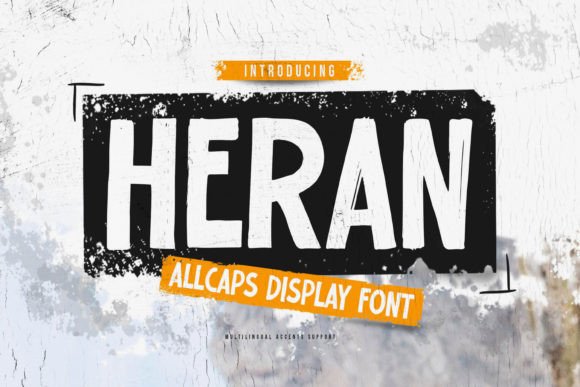
Heran is a textured all-caps display font that combines a clear style with dramatic movement. Its unique visual character makes it an appealing choice for designers looking to add a touch of personality and energy to their work. Whether used in logos, headers, or printed materials, Heran offers a distinctive aesthetic that stands out from more conventional typefaces.
What Makes Heran Distinct?
Heran’s defining feature is its textured appearance, which gives the font a handcrafted or organic feel. This texture is not just a stylistic choice—it adds depth and dimension that can enhance the visual impact of any design. The all-caps format ensures a strong, uniform presence, making it ideal for headings, titles, and other prominent text elements.
The font’s dramatic movement refers to the way the strokes and curves flow, creating a sense of motion even in static text. This quality can be particularly effective in designs that aim to convey energy, excitement, or a sense of urgency. Unlike many sans-serif fonts that prioritize minimalism, Heran embraces a more expressive approach, allowing it to fit into a wide range of creative contexts.
Comparing Heran to Similar Fonts
When considering Heran, it’s helpful to compare it with other display fonts that share similar characteristics. For example, fonts like Bebas Neue or Montserrat are popular choices for bold, clean headlines. While these fonts offer clarity and simplicity, they lack the textured and dynamic qualities that set Heran apart.
Fonts with a more industrial or geometric style, such as Futura or Proxima Nova, may provide a modern look but often feel less personal or expressive. In contrast, Heran’s texture and movement give it a more tactile, almost hand-drawn quality that can make a design feel more authentic or artistic.
For those seeking a more ornate or decorative option, fonts like Great Vibes or Lobster might be considered. These styles are more fluid and cursive, which can be ideal for certain applications like wedding invitations or branding that requires a more elegant touch. However, they may not be as versatile as Heran in terms of readability and adaptability across different mediums.
Strengths and Best-Fit Situations
One of Heran’s greatest strengths is its versatility. It works well in both digital and print formats, making it suitable for a variety of projects. Its bold, all-caps structure ensures that it remains legible even at smaller sizes, which is important for headers and captions.
Heran is particularly effective in designs that require a strong visual identity. For instance, in logo creation, the font’s texture can add a layer of uniqueness that helps a brand stand out. Similarly, in product packaging or advertising, Heran can draw attention and communicate a sense of creativity or innovation.
Its dramatic movement also makes it a good fit for projects that aim to evoke emotion or convey a specific mood. A poster for an art exhibition, a promotional flyer for a music event, or a greeting card for a special occasion could all benefit from Heran’s expressive style.
Tradeoffs and Limitations
While Heran has many advantages, it may not be the best choice for every project. Its textured appearance can sometimes make it less suitable for long blocks of text, where readability is crucial. In such cases, a simpler, more traditional font might be more appropriate.
Additionally, the font’s distinctiveness can be a double-edged sword. While it offers a unique look, it may not blend seamlessly with other design elements if not used carefully. Designers should consider how Heran interacts with colors, backgrounds, and other typographic elements to ensure a cohesive overall design.
Another consideration is the font’s availability. Depending on the platform or software being used, Heran may not be included by default, requiring additional steps to access or install. This could be a minor inconvenience for some users, especially those working within limited design ecosystems.
When to Choose Heran
Heran is an excellent choice when the goal is to create a striking, memorable visual identity. If a project requires a font that commands attention and conveys a sense of energy or creativity, Heran can be a powerful tool. It’s particularly well-suited for branding, marketing materials, and any design that benefits from a bold, expressive typeface.
For example, a designer working on a campaign for a new fashion line might use Heran to create eye-catching headlines that reflect the brand’s avant-garde style. Similarly, a wedding planner could incorporate Heran into invitation designs to add a touch of elegance and sophistication.
Heran is also a good option when the design needs to have a handmade or artisanal feel. Its texture can suggest craftsmanship, making it ideal for products or services that emphasize quality, tradition, or individuality.
When to Consider Alternatives
There are situations where a different font might be more appropriate. For instance, if a project requires a clean, neutral typeface for body text or a minimalist design, Heran’s texture and movement could be distracting. In these cases, fonts like Open Sans, Lato, or Roboto might be better suited.
For more formal or professional settings, a serif font like Georgia or Times New Roman could provide a more traditional and reliable appearance. These fonts are often preferred in academic, legal, or corporate environments where readability and professionalism are key priorities.
If the goal is to create a highly stylized or decorative look, fonts with more intricate details or cursive forms might be more effective. However, these options may not offer the same level of clarity or adaptability as Heran in certain contexts.
Practical Applications of Heran
Heran’s flexibility allows it to be used in a wide range of applications. In graphic design, it can serve as a headline font for posters, banners, or social media graphics. Its boldness makes it ideal for signage, where visibility is important.
In the realm of print, Heran can be used for business cards, brochures, and packaging. Its texture can add a tactile element that enhances the user experience, making the design more engaging and memorable.
For digital projects, Heran can be used in web design, mobile app interfaces, or video title sequences. Its dynamic movement can help create a sense of motion and energy, which is especially useful in multimedia content.
Overall, Heran is a font that offers both aesthetic appeal and practical functionality. By understanding its strengths and limitations, designers can make informed decisions about when and how to use it effectively in their work.