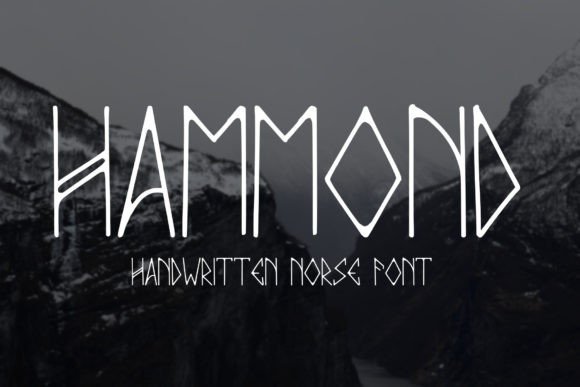
Hammond: A Timeless Display Font with Nordic Elegance
If you're looking for a font that blends the old with the new, Hammond might be just what you need. Inspired by the traditional Norse alphabet, this display font offers a unique and elegant stroke that can elevate the look of any project. Whether you're designing a logo, creating a website, or working on a personal project, Hammond brings a touch of culture and modernity to your work.
What makes Hammond stand out is its ability to feel both refined and authentic. The strokes are carefully crafted to reflect the natural flow of hand-carved letters, giving it a sense of history while still feeling fresh and contemporary. This balance makes it a versatile choice for a wide range of applications.
When to Use Hammond
Hammond isn't just for decorative purposes—it's a practical choice in many situations. For instance, if you're launching a new product line that has a cultural or artisanal theme, using Hammond can help reinforce that identity. Imagine a small business selling handmade crafts or vintage items. Adding a Hammond logo or tagline can instantly communicate a sense of tradition and quality.
It also works well in digital spaces. Bloggers and content creators often use display fonts to make their headers stand out. If you're writing about Scandinavian design, Norse mythology, or historical themes, Hammond can add visual interest without being overwhelming. It's perfect for headings, banners, or any text that needs to catch attention while maintaining a sophisticated feel.
Real-World Applications of Hammond
Let’s consider some specific scenarios where Hammond can shine. A wedding planner might use it for invitations or signage if the couple has a Norse heritage or a rustic, nature-inspired theme. The font adds a personal and meaningful touch, making the event feel more connected to the couple's background.
For educators or publishers, Hammond could be used in textbooks, lesson plans, or educational materials focused on history, linguistics, or cultural studies. It gives a visual nod to the origins of the language while keeping the content engaging. In this context, it's not just about aesthetics—it's about enhancing the learning experience through thoughtful design.
Entrepreneurs and small business owners can benefit from Hammond when branding their products. A boutique coffee shop with a Nordic theme might use it for their menu or packaging. It creates a cohesive look that tells a story and helps customers remember the brand. Similarly, a designer creating custom jewelry inspired by Viking symbols could pair Hammond with their logo to emphasize the cultural connection.
Who Benefits from Using Hammond?
Various professionals and hobbyists can find value in Hammond. Freelancers who work on branding projects may appreciate its versatility. It can be used across different media—print, digital, or even 3D designs—without losing its character. This makes it a go-to font for creatives who want to maintain a consistent aesthetic across multiple platforms.
Marketers and advertisers might use Hammond to create eye-catching headlines or slogans. Its bold yet elegant style can make a message more memorable. For example, a campaign promoting eco-friendly living could use Hammond in a headline to evoke a sense of simplicity and authenticity. It’s a subtle way to align the visual elements with the brand's values.
Even everyday users can enjoy Hammond. A blogger writing about travel might use it for a post titled “Exploring the Ancient Routes of the North.” The font adds a layer of storytelling that enhances the reader's experience. Similarly, a hobbyist creating a scrapbook or journal might choose Hammond for captions or titles to give their work a more polished and intentional look.
Things to Consider Before Using Hammond
Before diving into using Hammond, it's important to think about how it will fit into your overall design. While it's visually striking, it's best suited for display purposes rather than body text. Using it in large blocks of text can reduce readability, so it's best reserved for headings, logos, or short phrases.
Also, consider the context. If you're designing something for a broad audience, make sure the font aligns with the tone and purpose of the project. For example, a tech startup might find Hammond too traditional, while a craft brewery could find it perfectly fitting. Understanding your audience helps ensure the font supports your message rather than distracts from it.
Finally, check the licensing and availability. Some fonts come with restrictions on commercial use, so it's wise to verify that Hammond is suitable for your intended application. Once you're confident in the legal aspects, you can focus on how to best incorporate it into your work.
How Hammond Can Elevate Your Work
Ultimately, Hammond is more than just a font—it's a tool that can add depth and character to your projects. It allows you to tell a story through typography, connecting your work to a rich cultural heritage while maintaining a modern edge. Whether you're a designer, writer, educator, or business owner, there's likely a way to use Hammond that enhances your message and engages your audience.
By choosing a font like Hammond, you're not just selecting a style—you're making a statement. It shows that you value craftsmanship, tradition, and thoughtful design. And in a world where visual appeal plays a big role in how people perceive and interact with content, that kind of detail can make all the difference.